7 Signs Your Vehicle May Need Transmission Repair in Austin, TX
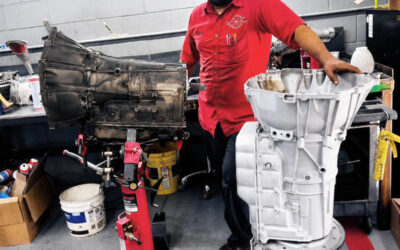
Your vehicle’s transmission plays a critical role in transferring power from the engine to the wheels. When the transmission isn’t operating properly, you may notice changes in the way your vehicle accelerates, shifts, or drives.
Transmission problems can range from relatively minor issues to major mechanical failures. Recognizing the warning signs early can give you an opportunity to have the vehicle diagnosed before a small problem develops into a more expensive repair.
If you’re experiencing transmission problems in Austin, Martinez Auto Repair provides transmission diagnostics, service, and repair.
Here are seven warning signs you shouldn’t ignore.
1. Your Vehicle Hesitates When Shifting
Automatic transmissions should shift smoothly under normal driving conditions.
If your vehicle hesitates before shifting, suddenly changes gears, or feels like it takes too long to respond when accelerating, there may be an underlying transmission problem.
Hesitation doesn’t always mean the transmission itself has failed. Electrical problems, sensors, fluid-related issues, and other mechanical concerns can produce similar symptoms.
That’s why proper diagnosis is important before deciding what repair is needed.
2. You Feel Hard or Jerky Shifts
A transmission that shifts smoothly shouldn’t cause significant jolts or harsh engagement.
If you feel a strong bump when the transmission changes gears, particularly when accelerating or slowing down, it’s worth having the vehicle inspected.
Harsh shifting can have several possible causes. Continuing to drive without diagnosing the issue may allow an existing problem to become more serious.
A professional transmission inspection can help determine what is happening and whether the issue requires immediate repair.
3. Your Transmission Slips
Transmission slipping can feel different depending on the vehicle and the underlying problem.
You may notice that the engine RPM increases without a corresponding increase in vehicle speed. Your vehicle may also seem to lose power temporarily or have difficulty staying in the appropriate gear.
These symptoms shouldn’t be ignored.
If your vehicle isn’t transferring engine power to the wheels properly, continued driving can potentially worsen the problem.
4. You Notice Fluid Leaking Under Your Vehicle
Fluid underneath your vehicle is always worth investigating, especially if you notice a new leak.
Transmission fluid can help lubricate and protect internal components. A leak can eventually lead to low fluid levels and other transmission problems.
However, not every fluid leak comes from the transmission. Engine oil, coolant, brake fluid, and other automotive fluids can look different but may sometimes be difficult to identify without an inspection.
If you see fluid underneath your vehicle, have the source identified rather than guessing.
5. Your Vehicle Won’t Go Into Gear
A vehicle that has difficulty engaging Drive or Reverse requires prompt attention.
You may experience a delay between selecting a gear and the vehicle responding, or the vehicle may fail to move as expected.
There can be multiple causes, including transmission, electrical, hydraulic, or control-system problems.
Because a vehicle that won’t properly engage a gear can leave you stranded, it’s best to have the problem diagnosed as soon as possible.
6. You Hear Unusual Transmission Noises
Unusual noises can be another warning sign.
Depending on the problem, you may hear whining, humming, clunking, or other sounds that weren’t present before.
Noise alone doesn’t identify the exact cause. Other components, including drivetrain and wheel-related components, can sometimes produce similar sounds.
A qualified technician can inspect the vehicle and determine where the noise is coming from.
7. Your Check Engine Light Comes On
Many drivers associate the check engine light only with engine problems, but modern vehicles use onboard computer systems to monitor numerous components.
Transmission-related problems can sometimes trigger warning lights or diagnostic trouble codes.
If your check engine light comes on—especially along with shifting problems, hesitation, unusual noises, or reduced performance—don’t simply reset the light and continue driving.
A diagnostic scan can help identify stored fault codes and point technicians toward the underlying issue.
Can You Prevent Transmission Problems?
You can’t prevent every transmission failure, but regular maintenance can help keep your vehicle operating properly.
Following the maintenance recommendations for your specific vehicle is important. Depending on the vehicle, maintenance may include checking or servicing transmission fluid and inspecting related components.
It’s also important to address warning signs early. A vehicle that is slipping, shifting harshly, leaking fluid, or hesitating shouldn’t be ignored simply because it is still drivable.
Early diagnosis may help identify a problem before it develops into a more significant repair.
Why Professional Transmission Diagnosis Matters
Transmission problems can sometimes have symptoms that overlap with other vehicle issues.
For example, a hesitation could be related to the transmission, engine performance, electronics, or another component. Replacing parts without identifying the actual cause can lead to unnecessary expenses.
A proper diagnosis gives you a clearer understanding of what is wrong and what your repair options are.
Transmission Repair in Austin, TX
If your vehicle is shifting differently, slipping, leaking transmission fluid, making unusual noises, or having difficulty going into gear, don’t wait until you’re stranded.
Whether your vehicle needs transmission service, diagnostics, routine maintenance, or a more extensive repair, getting the problem evaluated early is a smart way to protect your vehicle and your investment.
Call (512) 785-9085 to schedule an appointment with Martinez Auto Repair.